































mindit.io logo
    • retail
      • / retail

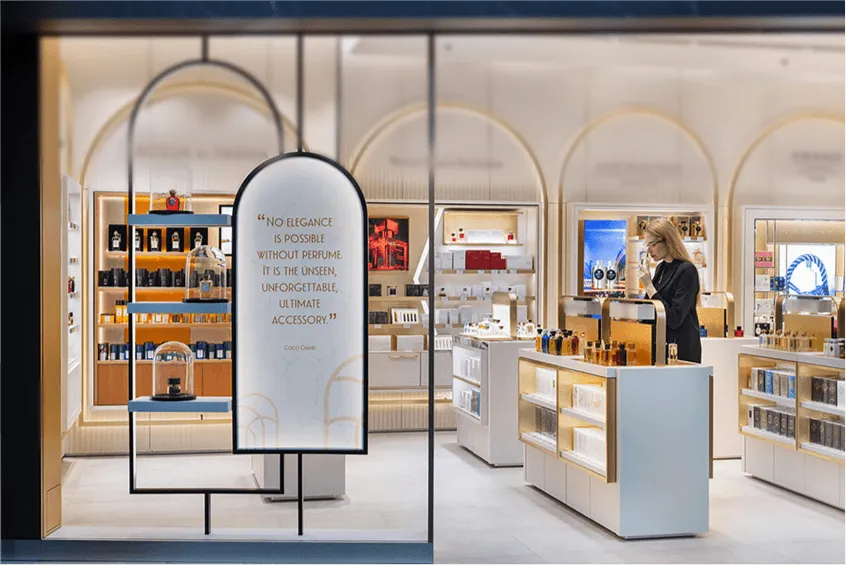
        Retail industry, mindit.io

        In the intricate world of retail, mindit.io stands out as your strategic ally.

    • banking
      • / banking
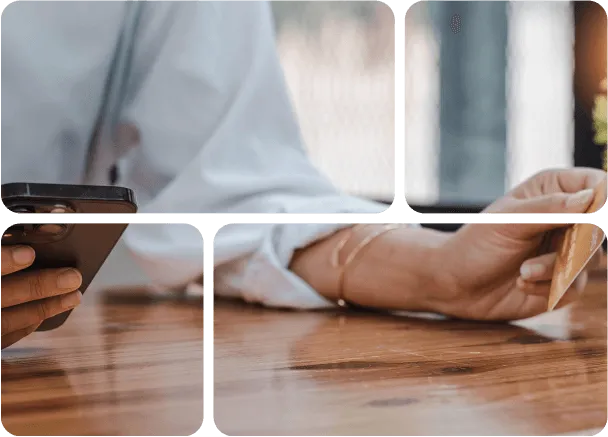
        Woman using a card payment terminal, retail sector, mindit.io

        We partner with European banks on AI transformation, data-platform modernization, and regulatory-grade integration across Benelux, DACH, and UK.

    • financial services
      • / financial services

        Financial services: mindit.io data and AI

        Custom software and data platforms for asset managers, payments providers, and insurers across DACH and the US.

    • healthcare
      • / healthcare

        Doctor with digital tablet in hospital, healthcare sector, mindit.io

        ML and integration solutions for hospitals, health-tech platforms, and national health systems, including Switzerland’s national health sector.

    • hospitality
      • / hospitality
        Hospitality: mindit.io data and AI

        Operational and guest-experience software for hotels, restaurants, and global travel groups.

    • foodtech
      • / foodtech
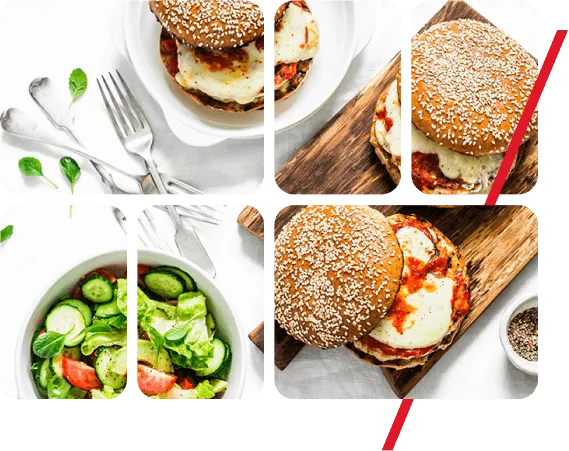
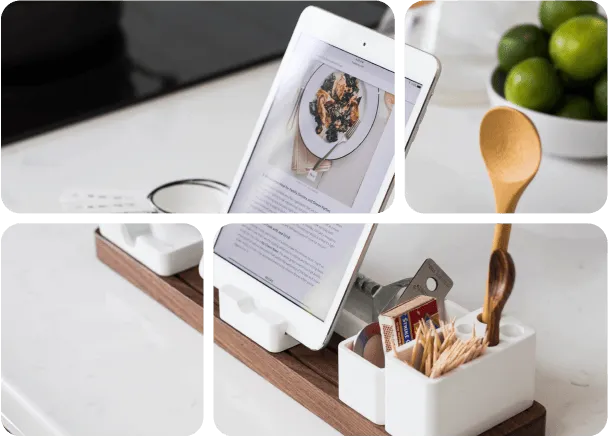
        Burger and fresh salad, food and beverage sector, mindit.io

        Product engineering for the food industry: from plant-based configurators to supply-chain analytics.

    • manufacturing
      • / manufacturing
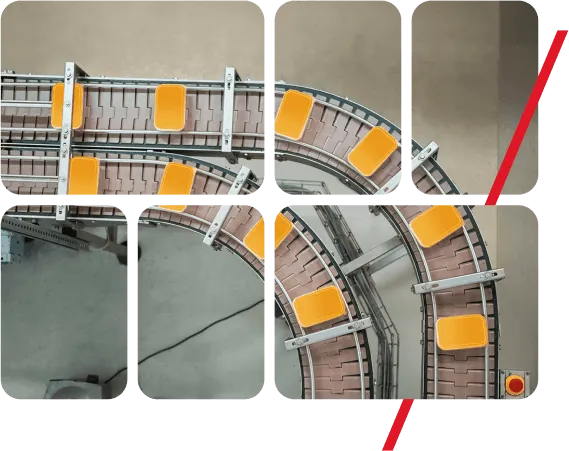
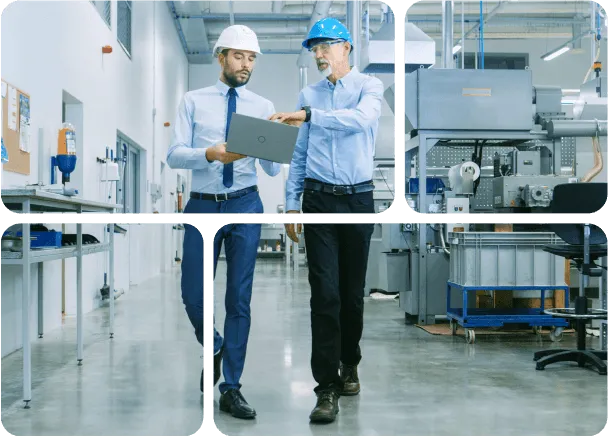
        Aerial view of industrial conveyor belt, manufacturing sector, mindit.io

        Industrial software, IoT integration, and data platforms for manufacturers modernizing operations.

    • publishing
      • / publishing
        Publishing: mindit.io AI solutions

        ML platforms and editorial workflow systems for publishers, including Izzard Ink Publishing.

    • real estate
      • / real estate
        Modern residential buildings at dusk, real estate sector, mindit.io

        Property tech and data analytics for real-estate operators and asset managers.

    • telco
      • / telco
        Person using smartphone, telecom sector, mindit.io

        Telecom-grade software for network optimization, customer-facing apps, and AI-driven insights.

    • / company
    • about us
      • / about us

        mindit.io partners and people
        The partner of choice for data & product engineering to drive business growth & deliver an impact within your organization
    • product engineering
      • / product engineering
        We specialize in Software Product Engineering, transforming your concepts into impactful products.
    • technology
      • / technology
        mindit.io AI Native company
        250+ specialists skilled in software, BI, integration, offering end-to-end services from research to ongoing maintenance.
    • methodology
      • / methodology
        Custom software solutions, mindit.io
        We specialize in software product engineering, transforming your concepts into impactful products.
    • careers
      • / careers
        Careers at mindit.io
        Our team needs one more awesome person, like you. Let’s grow together! Why not give it a try?
    • do good
      • / do good
        mindit.io team member do good ESG initiatives by the sea
        We’re a team devoted to making the world better with small acts. We get involved and always stand for kindness.
    • events
      • / events
        From Databricks’ Data + AI Summit to Day-to-Day: How the Latest Announcements Impact Real Deployments – Live Webinar
    • blog
      • / blog
        Databricks Just Moved the Goalposts. Here’s What That Means for Your Team.
        Databricks just rebuilt the data stack for AI agents. Here is what Retail and Banking should do about it.
    • contact us
      • / contact us
        Request a mindit.io webinar
        We would love to hear from you! We have offices and teams in Romania and Switzerland. How can we make your business thrive?
  • / get in touch

helping enterprises become AI-native organizations

Understanding each other : should developers learn UX and designers coding?

It’s a common thought in IT industry, and moreover in software development that, although developers and designers have to collaborate, its no need for either of the sides to enter the others territory. But nowadays, its not unusual for a professional to wear multiple hats, but it is a good or a bad thing?

I honestly believe that there is a middle ground, called “shared understanding” which basically refers to the fact that a designer should have a grasp of how to code and how coding works, and a developer to know design principles, but it is not mandatory for either to be a professional in the other field. This could improve the quality of their work and the efficiency too.

Here are a few reasons on why YOU should know more about your coworker’s job.

1. Shared perspective. One thing that it will improve its how you see things, since that often a developer is coding with the client in mind, while as designers we design taking into account more how the user will interact with the application. When starting learning UX principles as a developer, you will eventually start taking into account the user when adding a new feature to the application, take as an example: when there is a component that needs to load fast so the user won’t be annoyed. As a designer, seeing the project through the client’s eyes, you will design a product that can meet the needs for both client and user.

2. Improved teamwork. Take a second and think about the next situation: would students get better scores if they could read their teachers minds? Probably yes. The same thing can be applied to designer – developer relationship, knowing how your counterpart thinks, and what he needs to be able to do it’s job will make you a great asset to any multidisciplinary team. This approach is useful for internal communication as well as idea pitches because you will have more of an idea about what to expect from other members of your team.

3. Elevate your skillset. Think about the next case, you want to buy a new phone, and find one that looks and feels kind of weird, the touchscreen is on diagonal, the camera is where the charger is and the sound is in the middle of the back, but the specifications are far better than anything on the market right now, would you choose it? No. Technology this days is more about what can the user do, more than what can the product do, so as a developer if you know more about UX you will keep in mind that sometimes its not the complexity that makes a feature outstanding, but its simplicity, and as a designer knowing how some features are done through code, you will design features that are more useful for the client, not only for the user.

In the end, we believe that having a bit of shared knowledge between other fields will definitely improve your growth and skillset as a professional, opening yourself to new possibilities and will improve the collaboration of your team.

Distribute:

/turn your vision into reality

The best way to start a long-term collaboration is with a Pilot project. Let’s talk.