


































Date: 2026-10-12
AI-Powered Energy Trading at OMV Petrom: From Company Strategy to a Working Use Case
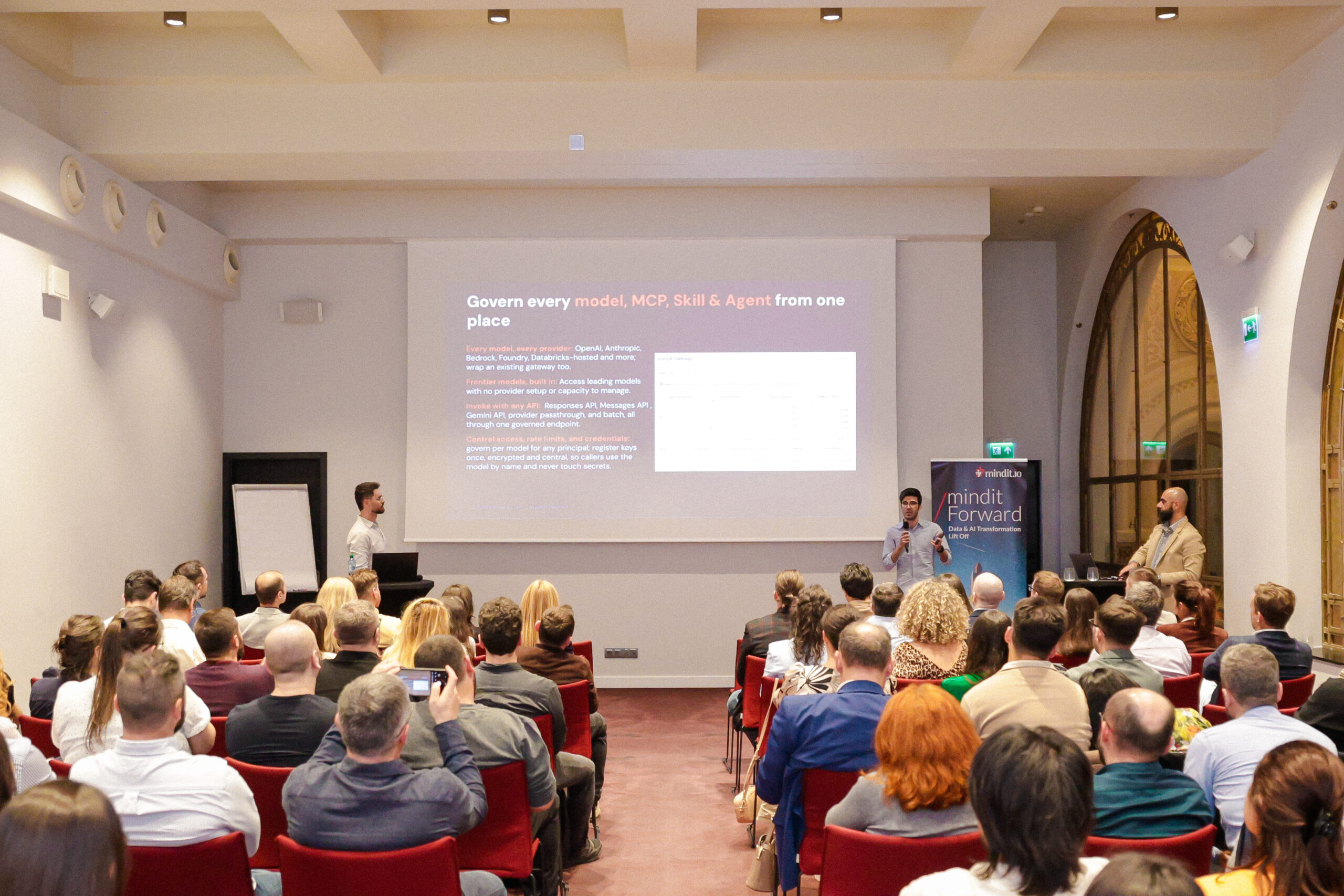
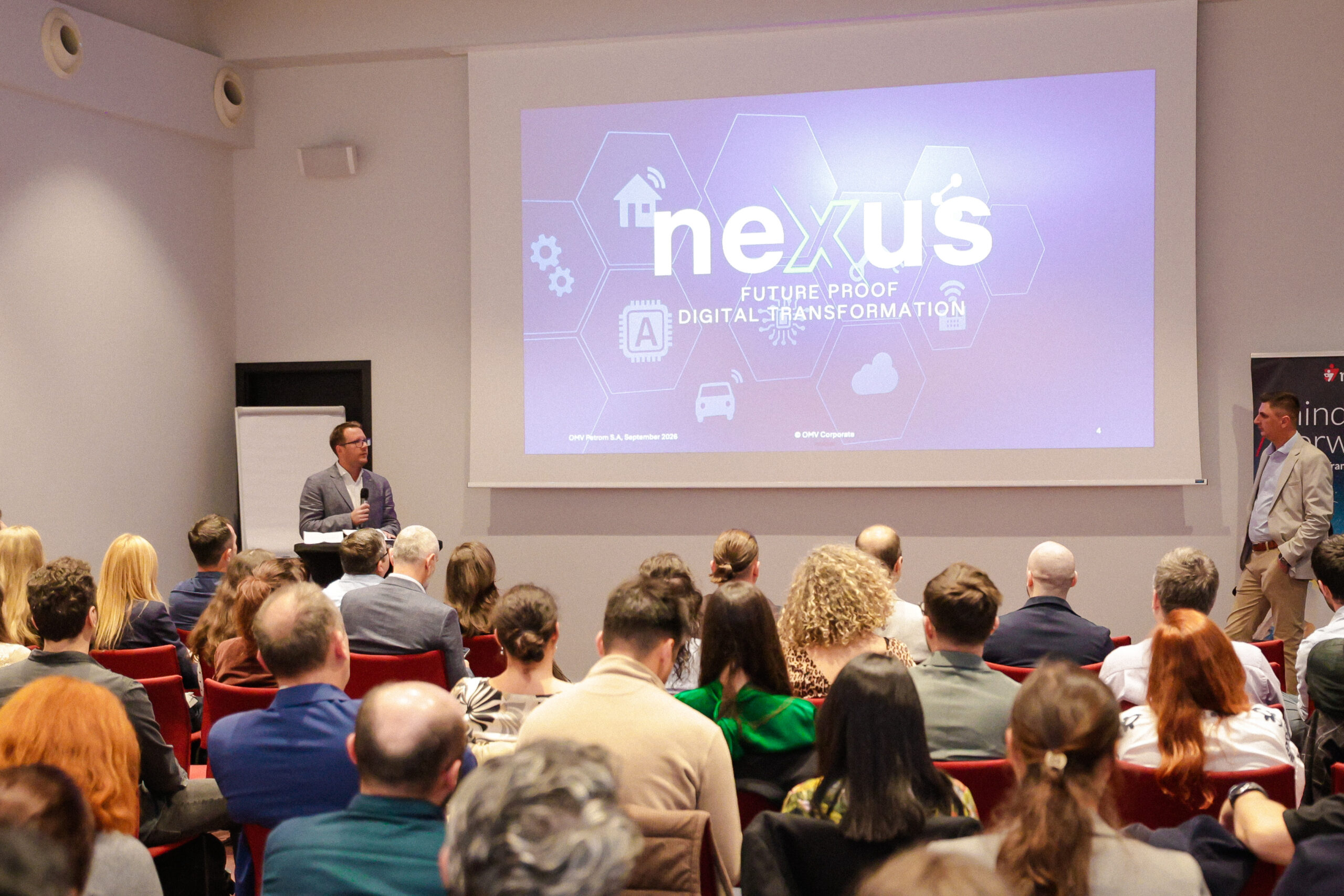
Most AI talks start with the technology. The OMV Petrom session at Databricks Bucharest User Group #3 started one level up, with how the company’s AI strategy connects to its general strategy, and then moved to a specific AI use case in energy trading. It was presented by Michael Reisinger, Digital Trading Manager, and Andrei-Cosmin Ciocan, Data Engineering & AI Technical Lead, both at OMV Petrom, and it opened the technical program of the evening.
Strategy first, use case second
In his own recap, Michael described the presentation as being about two things: how OMV Petrom’s AI strategy feeds into the overall company strategy, and a specific AI use case. That order is worth noticing. Many organizations start from a use case and try to justify it afterwards. Starting from strategy means the use case has a reason to exist, and a way to be judged, before any model is built.
Energy trading is a demanding place to apply that thinking. Decisions depend on data that has to be current, and the cost of acting on weak information is easy to see. An AI use case here has to earn its place against that bar. OMV Petrom’s approach, as presented, was to tie the work back to what the company is trying to achieve rather than treating AI as a standalone initiative.
Two views of the same project
The session was presented by two people with different roles: Michael from the trading and business side, and Andrei-Cosmin from data engineering and AI. That pairing is useful for the audience. The business view explains what the use case is for and how it connects to the company’s direction. The engineering view is where the pipelines, data and platform decisions that make it work live. Hearing both from the same stage gives a more complete picture than either would alone.
It is not common to get both perspectives from the same stage, and we are grateful the OMV Petrom team chose to share them with the community.
A community that is still being built
Both speakers also spoke about the event itself. Michael said he values the format because it gives practitioners the chance to share their experience and to connect, and even collaborate, with people from other companies and other areas. His invitation to others was to speak up and share what they know.
Andrei-Cosmin made a related point: “in Romania at least, we don’t really have a strong Databricks community.” In his view, now is the right time to build one, and he asked us to keep hosting events like this.
We agree with both. As co-organizers of the largest Databricks meetup in Bucharest, we see this as the point of the whole series: more teams sharing real work in the same room, and more people finding peers who are solving similar problems.
What’s next
If you missed the evening, read our full recap of Databricks Bucharest User Group #3. If your team has a Databricks story worth telling, keep an eye on mindit.io on LinkedIn for the next edition.
