






































Oracle to Databricks migration for banks

The data team had heard this pitch before. Earlier attempts to move the bank’s warehouse off Oracle had failed. When we arrived, the business side expected the next one to fail too.
The bank is a major CEE bank. Its warehouse ran on Oracle, its data lake on Cloudera, and both had grown for about 20 years. The hardware was due for a refresh with a large capital bill. The AI roadmap needed data the warehouse could not feed.
AI-Powered Energy Trading at OMV Petrom: From Company Strategy to a Working Use Case
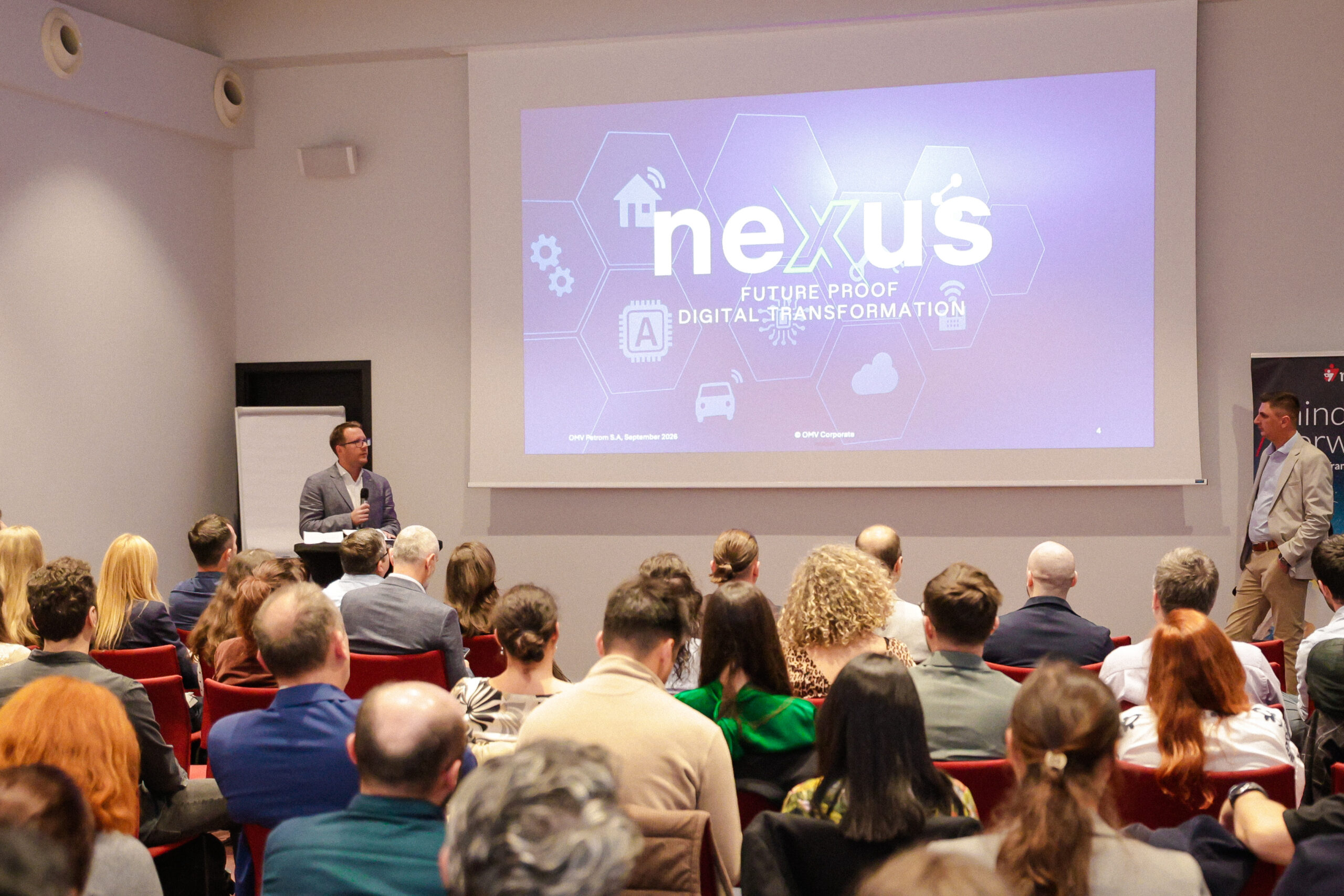
Most AI talks start with the technology. The OMV Petrom session at Databricks Bucharest User Group #3 started one level up, with how the company’s AI strategy connects to its general strategy, and then moved to a specific AI use case in energy trading. It was presented by Michael Reisinger, Digital Trading Manager, and Andrei-Cosmin Ciocan, Data Engineering & AI Technical Lead, both at OMV Petrom, and it opened the technical program of the evening.
Governance on Databricks: Why Cost Control and AI Transparency Are One Problem
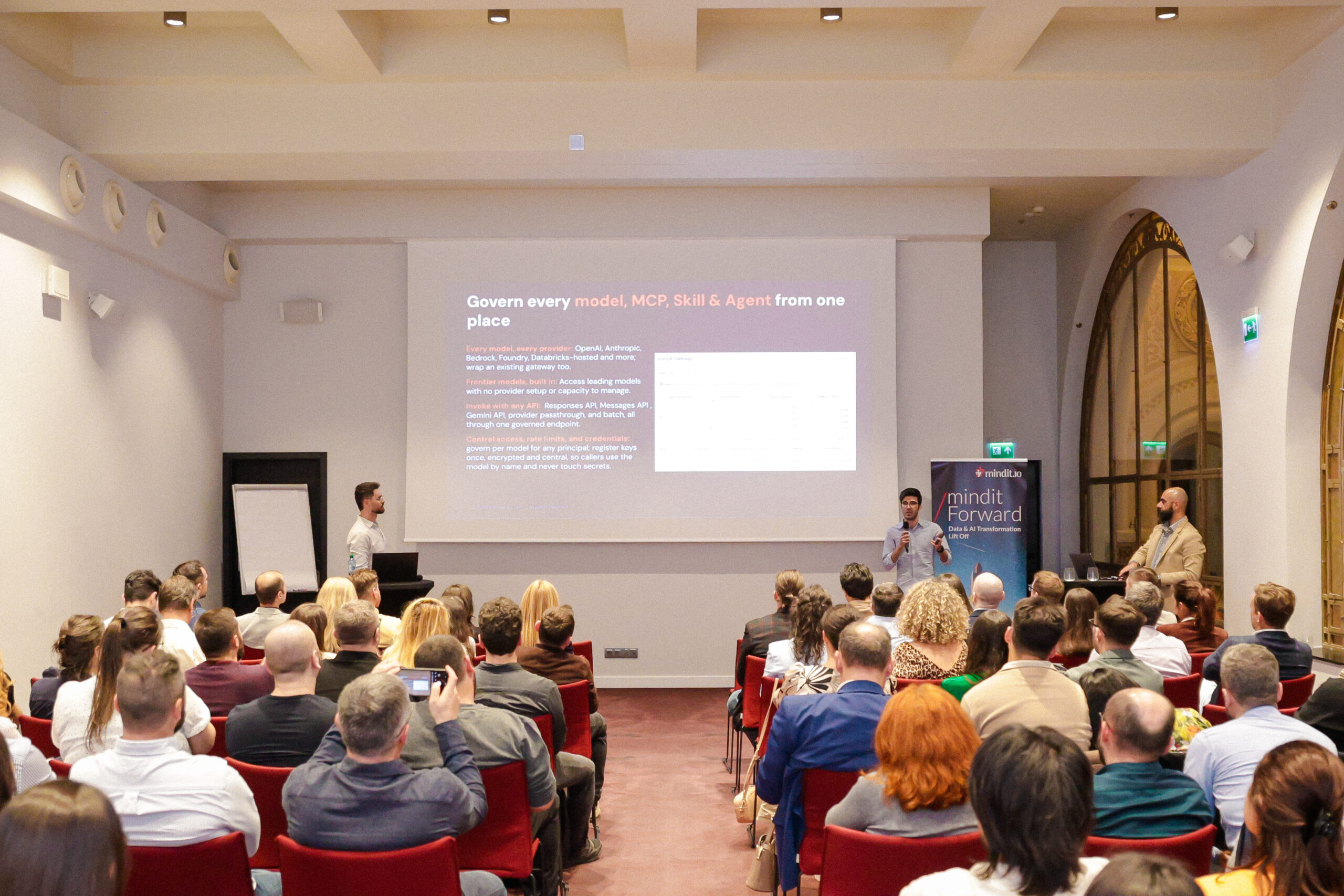
Ask most teams what governance means on a data platform and you will get answers about access and permissions. Ask the same teams a year into running AI workloads and the conversation shifts: what is this costing us, who is running it, and can we explain what it did? At Databricks Bucharest User Group #3, our Lead Data Engineer Vlad Mihalcea and Burak Seyid, Solutions Architect at Databricks, took that second conversation as their starting point, in a session on governance from cost optimization to AI transparency.
Migrating the Biggest EDW in CEE to Databricks: The BCR Story
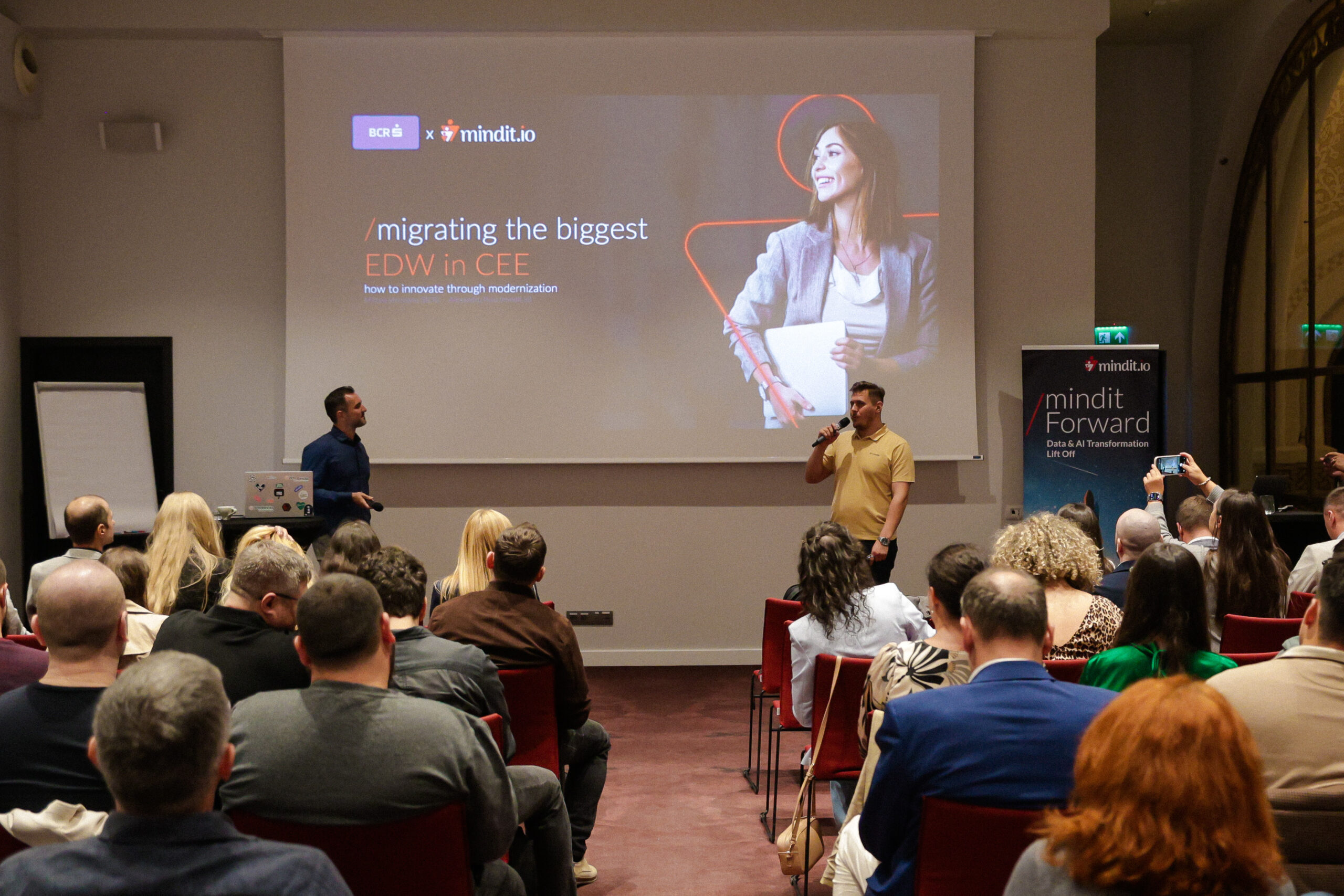
A bank’s enterprise data warehouse is not a system you swap out over a quiet weekend. Reporting, risk, regulatory work and day-to-day decisions all sit on top of it, and years of logic have accumulated inside it. At Databricks Bucharest User Group #3, Mircea Idriceanu, Head of Data for Group; Data Analytics & AI Division at BCR, and our CTO Alexandru Puiu presented how BCR moved what they describe as the biggest enterprise data warehouse in Central and Eastern Europe onto Databricks.
Presenting the Largest Databricks Bucharest User Group #3 Event: A Full House at The Marmorosch
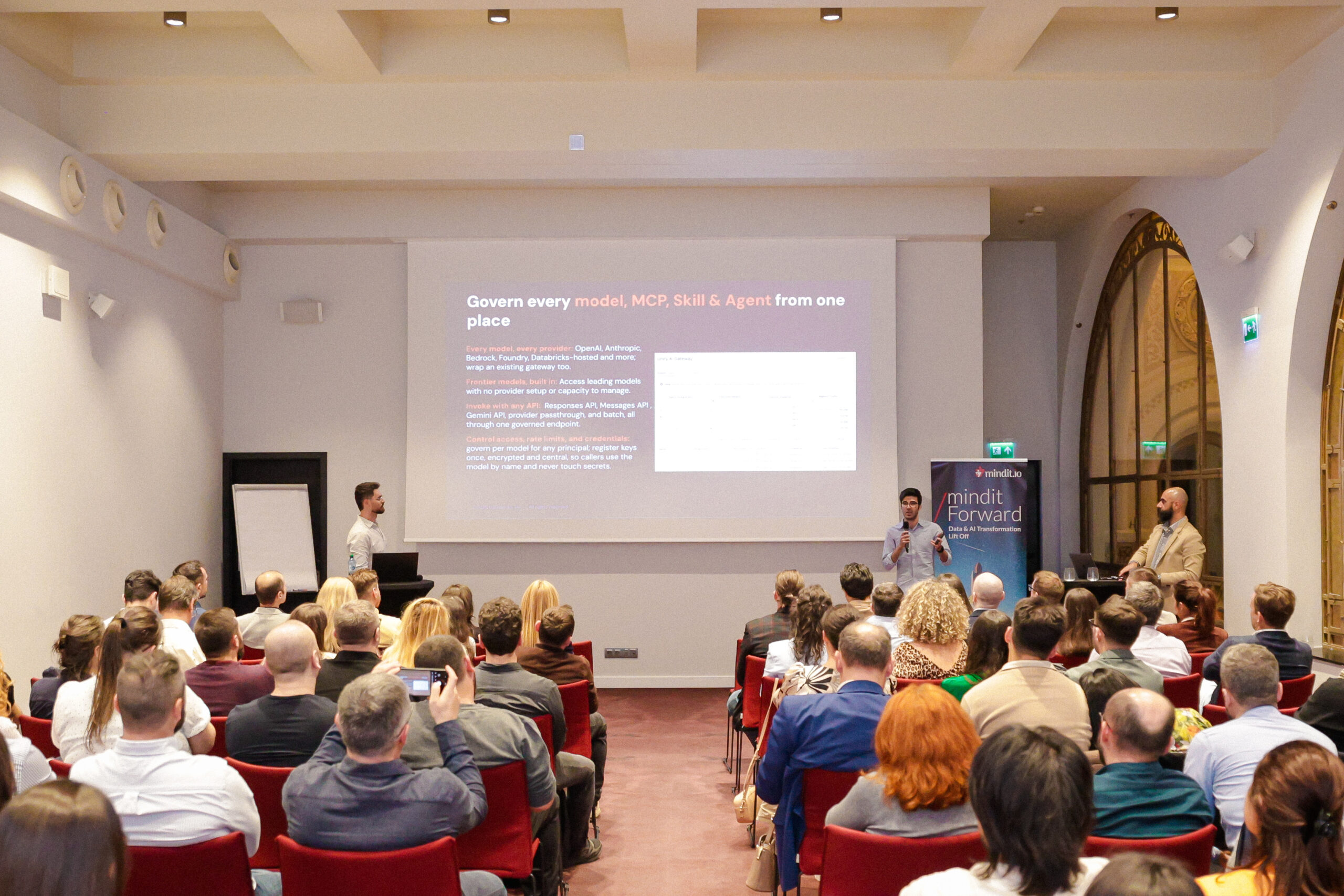
Date: 06.10.2026, Bucharest, Romania Databricks Bucharest User Group #3: A Full House at The Marmorosch On September 30, more than 110 people filled The Marmorosch Bucharest, Autograph Collection, for the third edition of Databricks Bucharest User Group. As proud co-organizers of the largest Databricks meetup in Bucharest, we wanted to say thank you first: to […]
Building customer matching on Databricks for a luxury brand selling worldwide
A client buys two pieces online in March. In April, she is in a store in another country, asking about an alteration to something she bought the year before. She has shopped with the brand since 2019.
Databricks Bucharest User Group #3: What to Expect from the September 30 Meetup
Databricks Bucharest User Group #3: What to Expect from the September 30 Meetup
Databricks just rebuilt the data stack for AI agents. Here is what Retail and Banking should do about it.
“AI does not have an intelligence problem. It has a context problem.” That was Ali Ghodsi’s framing at the Databricks Data + AI Summit 2026, and it points at something most of the coverage missed.
Retail Data Platform Modernization Checklist — BENELUX 2026

Organisations in BENELUX (Netherlands, Belgium, Luxembourg) face mounting pressure to deliver AI initiatives that satisfy both business stakeholders and ACM and AP regulators. This checklist gives CTO and CDO at BENELUX retailers a systematic way to assess data infrastructure, governance, and organisational readiness before committing budget to an AI transformation programme. Each item is grounded in the specific GDPR, AVG, and ACM requirements applicable in BENELUX (Netherlands, Belgium, Luxembourg).
Data Platform Modernization for UK Retailers: Omnichannel 2026

This guide addresses the most common challenge facing CDO and CTO at UK omnichannel retailers and e-commerce businesses in 2026: how to build genuine AI capability while satisfying ICO regulatory requirements. The recommendations are grounded in the specific regulatory context of the United Kingdom and the practical realities of organisations managing legacy infrastructure alongside ambitious AI transformation programmes.