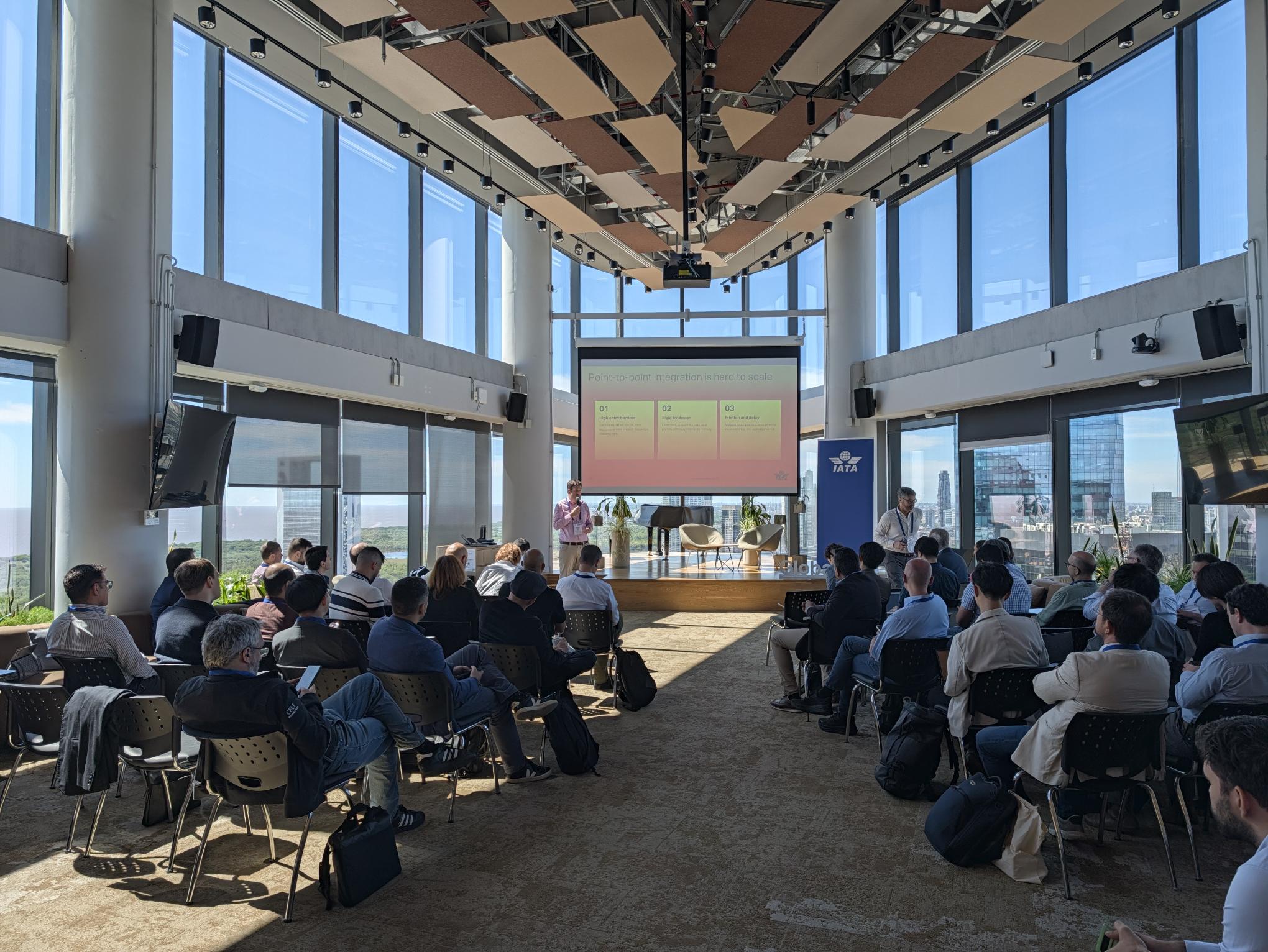
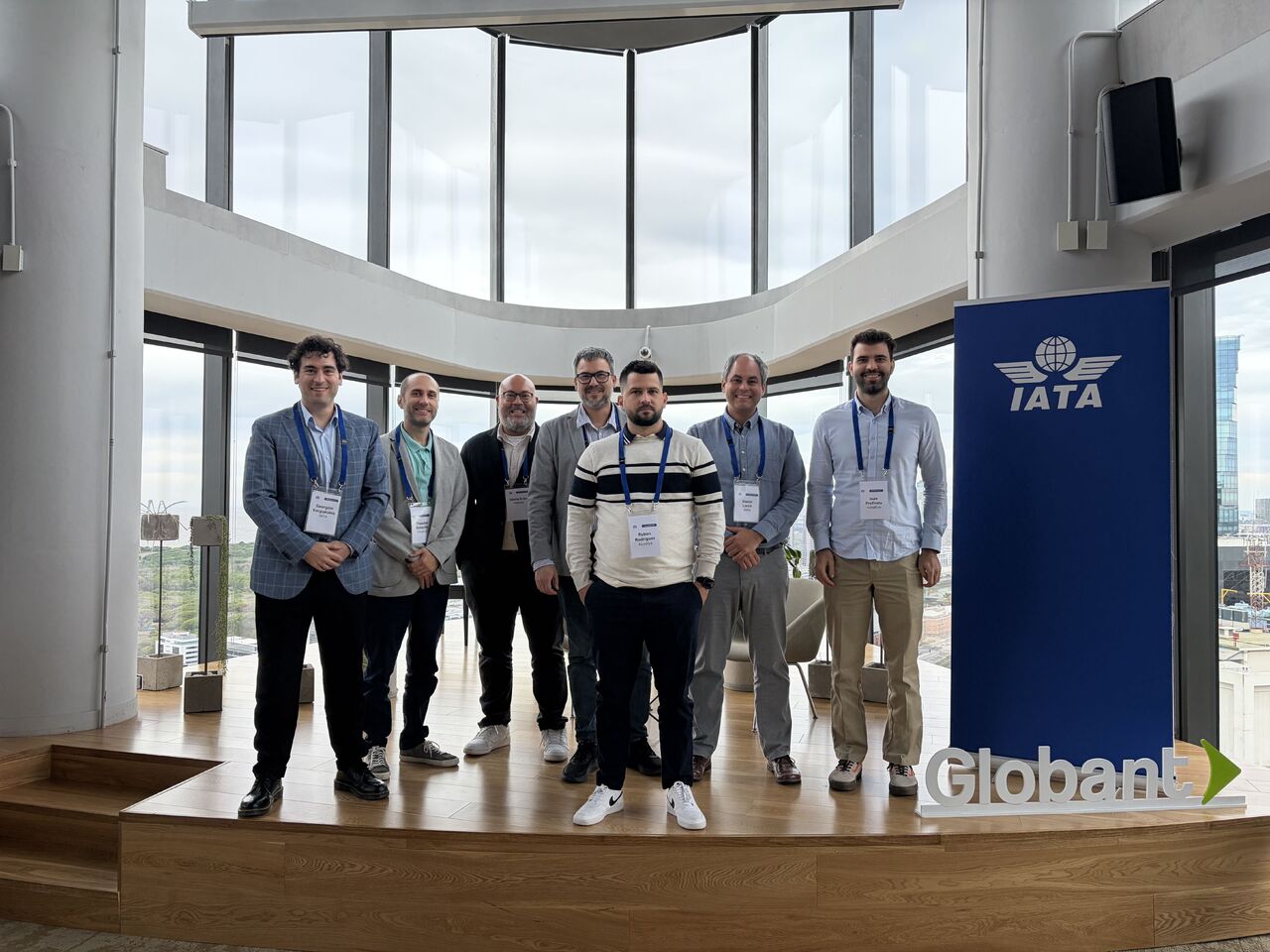
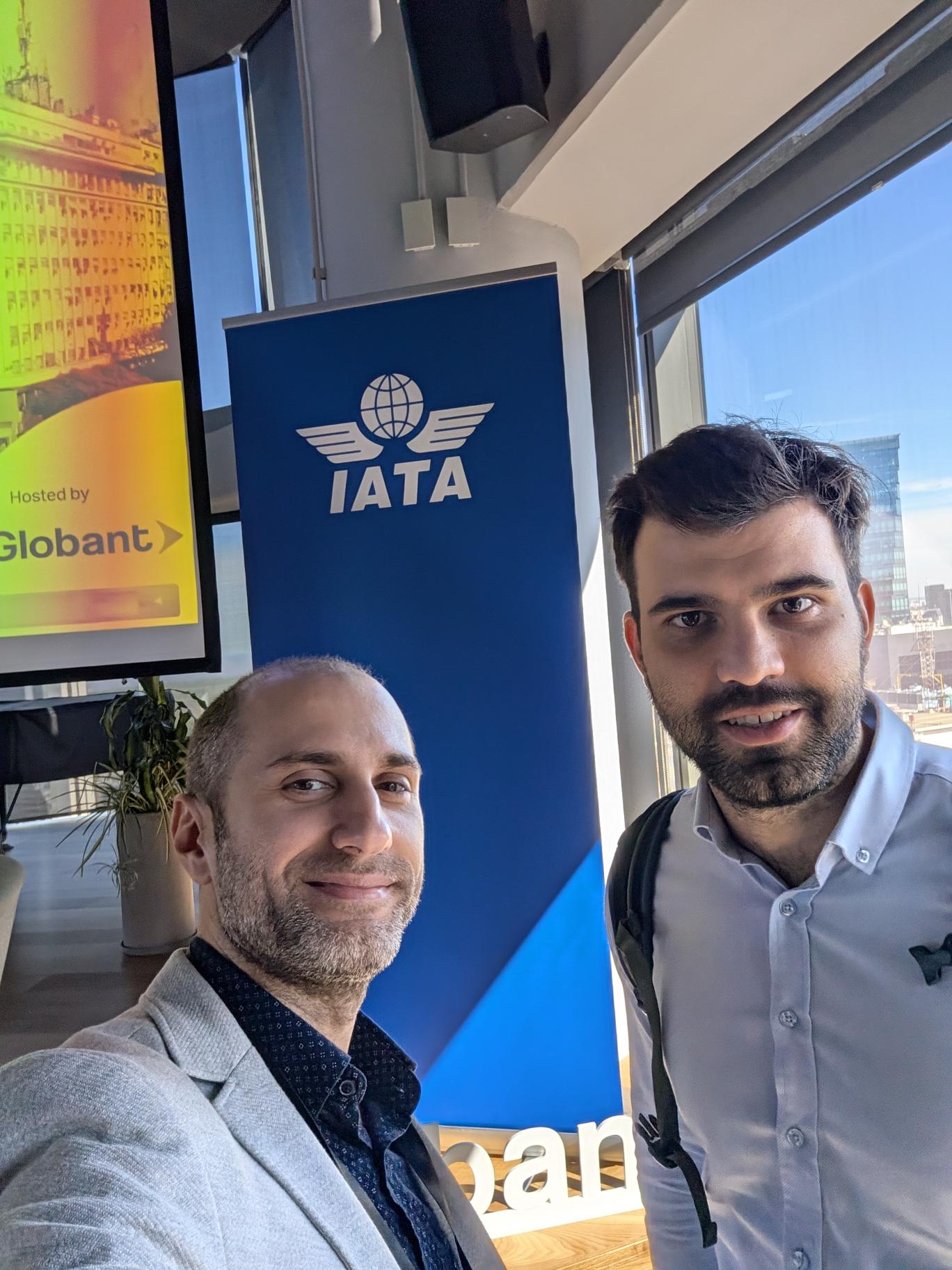
They spent three days with airlines, IATA and other technology partners on two problems that affect every traveler: how to prove who you are when you book, including when an AI assistant books for you, and how airlines can stop fraud together instead of one by one.
How the IATA Data & Technology PoC program works
The program brings IATA member airlines and strategic partners together to build proofs of concept for problems no single company can solve alone. Airlines and partners agree on the use cases, then build them as working groups.
Three in-person meetings a year. Members meet to develop the PoCs and technology position papers. Each organization sends the same primary representative to every meeting.
Calls in between. IATA runs touchpoint calls between meetings so work on each use case keeps moving.
mindit.io takes part as an IATA Strategic Partner in the global stream. Cycle 3 results will be presented at the IATA World Data Symposium 2027.
Three days in Buenos Aires
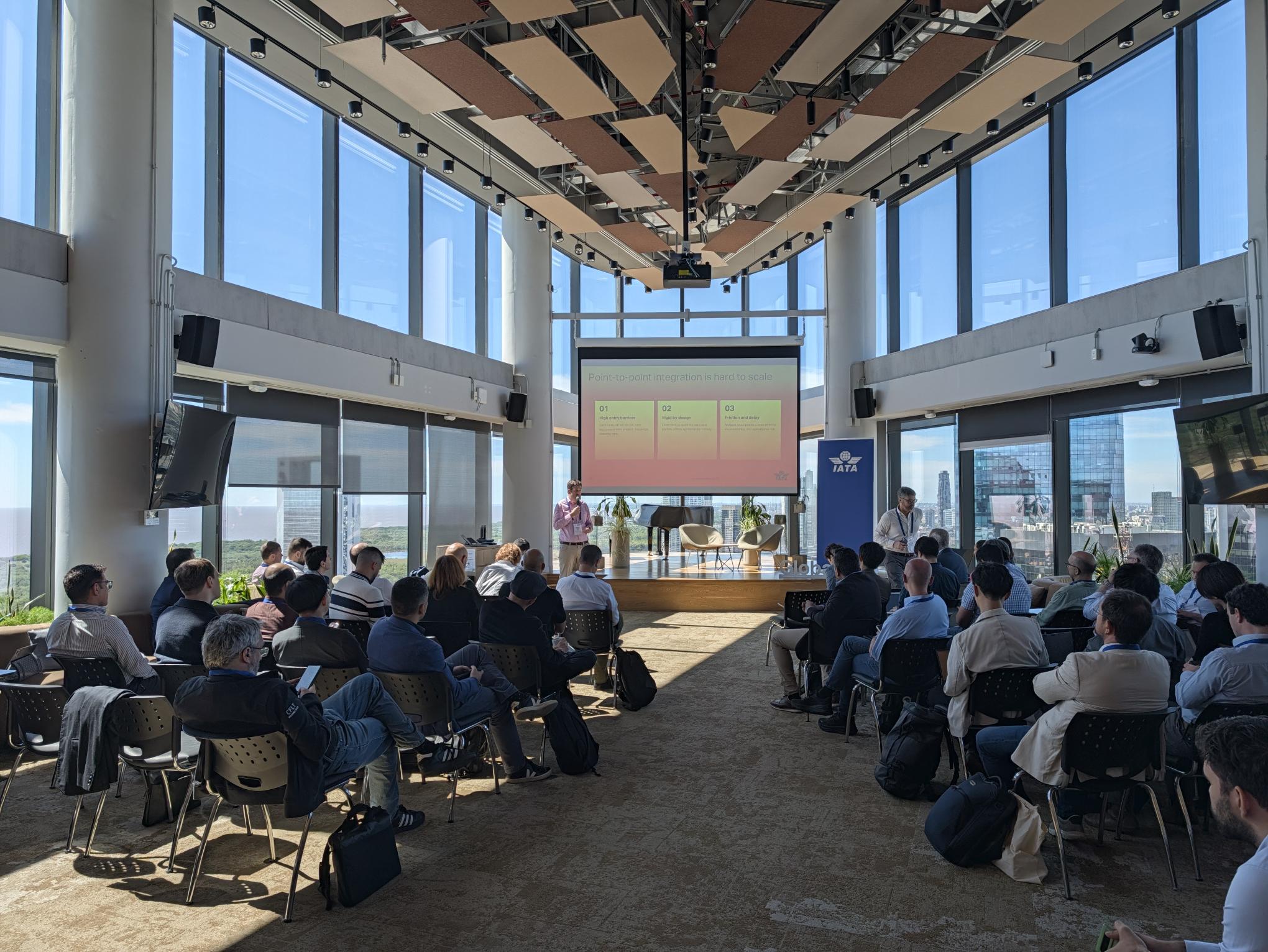
The Buenos Aires meeting was the second face-to-face session of Cycle 3, after the kickoff in Geneva in September. Globant hosted the three days.
The working groups used the time to build: narrowing scope, agreeing on how the pieces fit together, and deciding what each PoC needs to show by the end of the cycle. mindit.io worked in two of them, digital identity and payments, and fraud and risk pattern exchange.
Digital identity: one approval, from booking to boarding
IATA’s earlier PoCs proved that wallet-based digital identity works across airlines, airports and wallet providers. The gap is booking day. Today a traveler types a passport number into a booking form, then shows the same passport at the airport.
The Agentic Identity and Payment track, where Theodor works, looks at what happens when an AI travel assistant does the booking. The design the group is building keeps the assistant away from sensitive data:
The traveler’s wallet checks the assistant once, when the traveler delegates to it. The industry is starting to call this “Know Your Agent”.
The assistant finds the flight.
At booking, the passport details and a card token go straight from the wallet to the airline, after one fingerprint or face scan.
For the traveler, that’s one approval instead of a string of forms. For the airline, the order arrives complete, with the name exactly as it is on the passport. Identity and payment stay two separate records underneath, because different rules govern them.
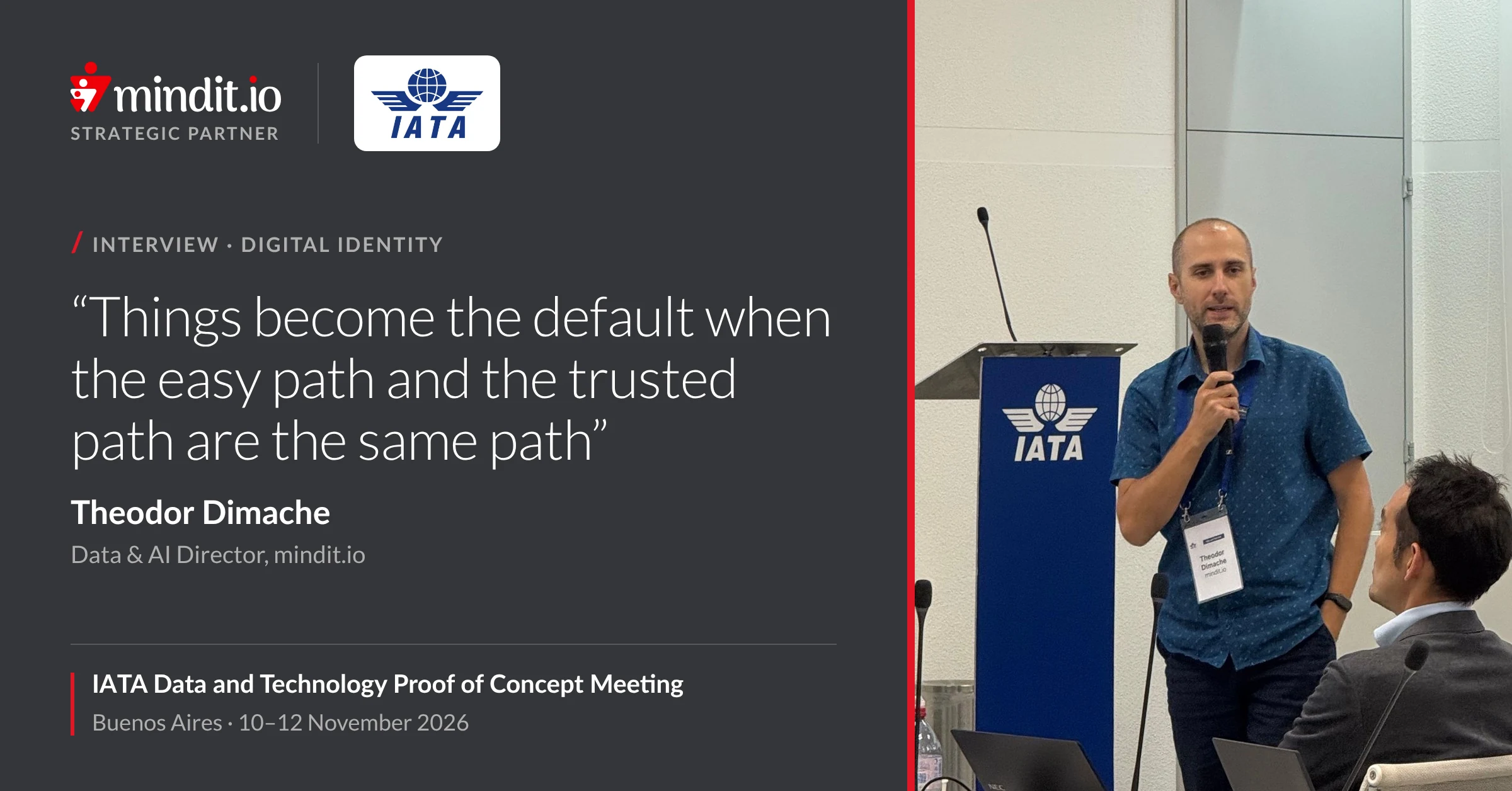
“Things become the default when the easy path and the trusted path are the same path.” Theodor Dimache
In Buenos Aires, the goal was the shape of the handshake between an assistant, a traveler’s wallet and an airline, not a product: how an assistant asks for offers, what the wallet hands over, and how an approval refers to the amount and the airline.
Fraud prevention: share patterns, not passengers
In the Aviation Fraud & Risk Pattern Exchange working group, airlines, IATA and technology partners are working out how the industry can share risk and fraud signals for Frequent Flyer Programs (FFPs) in a secure, trusted way. The idea is simple: a pattern spotted by one carrier should help protect the others.
Ioan, who works on the track with Theodor, explains why loyalty is the starting point. Booking and payment fraud already has strong coverage through IATA Perseuss. Loyalty fraud, from fake account creation to accrual abuse and redemption fraud, has nothing comparable. Each airline sees a slice that looks almost normal. Together, the pattern is clearer.
Sharing has to work without exposing anyone:
Patterns, not people. The exchange describes signals, such as a combination of behaviors from a type of channel in a time window, with no personal data in it.
Protection before sharing. Pseudonymization or hashing happens before anything leaves an airline, and signals are aggregated so individual records can’t be rebuilt.
Strict fields. Only approved fields are allowed into the exchange.
AI does what people can’t at this speed, such as scoring a login or a redemption in under a second, or noticing one device touching dozens of new accounts across several airlines. Fraud analysts still review what the AI flags and make the call.
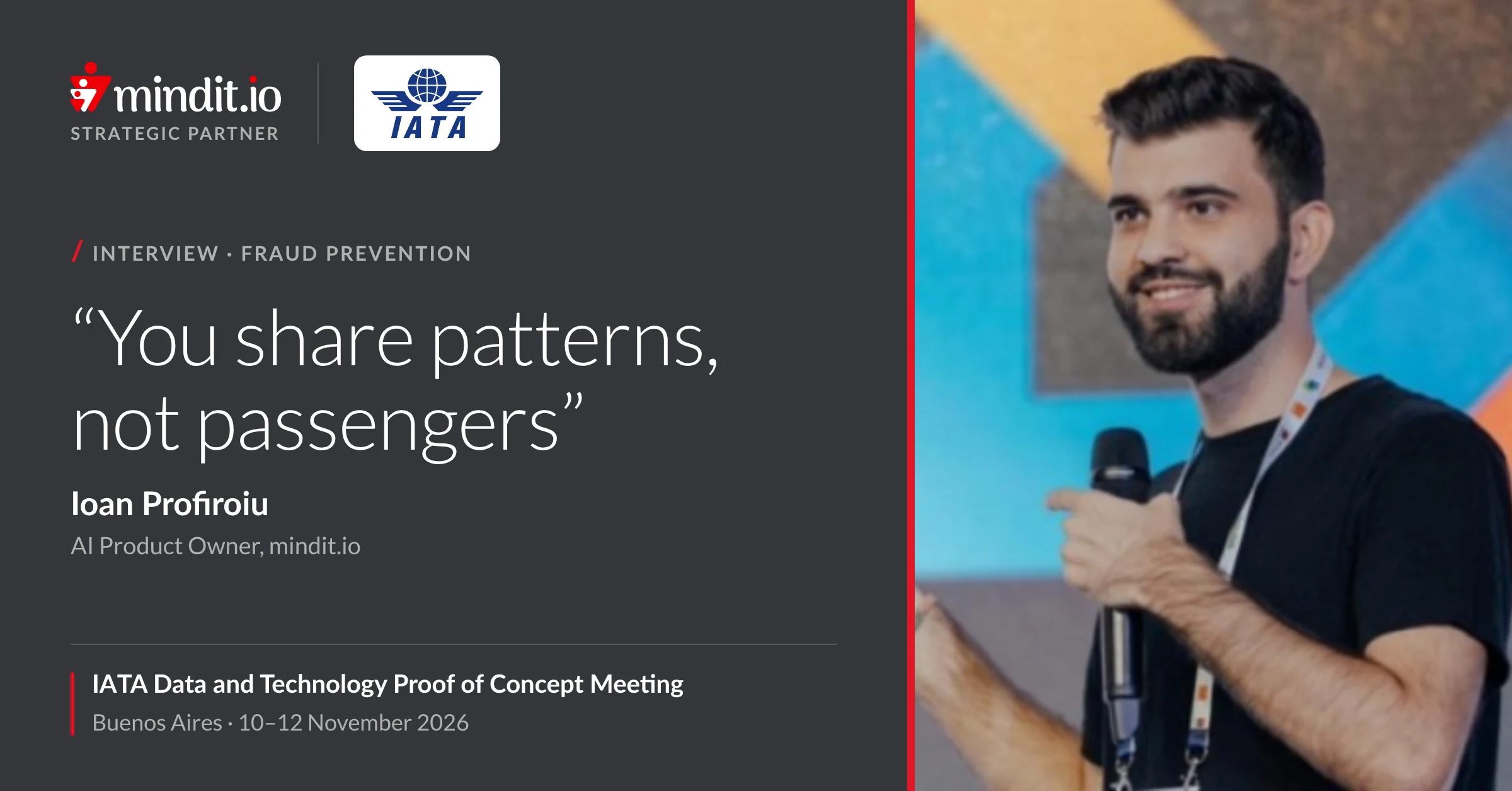
“A model that flags too many legitimate travelers creates as many problems as it solves.” Ioan Profiroiu
What comes next
The working groups continue on the touchpoint calls until the next in-person meeting, and Cycle 3 results will be presented at the IATA World Data Symposium 2027. The aim for both tracks is the same: something an airline can act on, not just a demo.
Thank you to IATA for bringing the community together, and to Globant for hosting us in Buenos Aires.