 Skip to content





































Migrating legacy applications to the cloud is no longer just a technical project, it’s a business imperative. AI-assisted tools are making it possible to modernize even the most complex systems, from monolithic apps to supply chain platforms and online transaction-heavy services.
Monolithic Applications
Monoliths have long been a headache: tightly coupled components, high maintenance costs, and limited scalability. Changing one module often breaks another.
AI-driven strategies offer a new way forward:
- Breaking down systems into microservices with Docker and Kubernetes
- Refactoring outdated code into modern languages
- Deploying on cloud-native platforms that enable scalability
This transformation allows enterprises to replace fragile infrastructures with flexible, future-proof architectures.
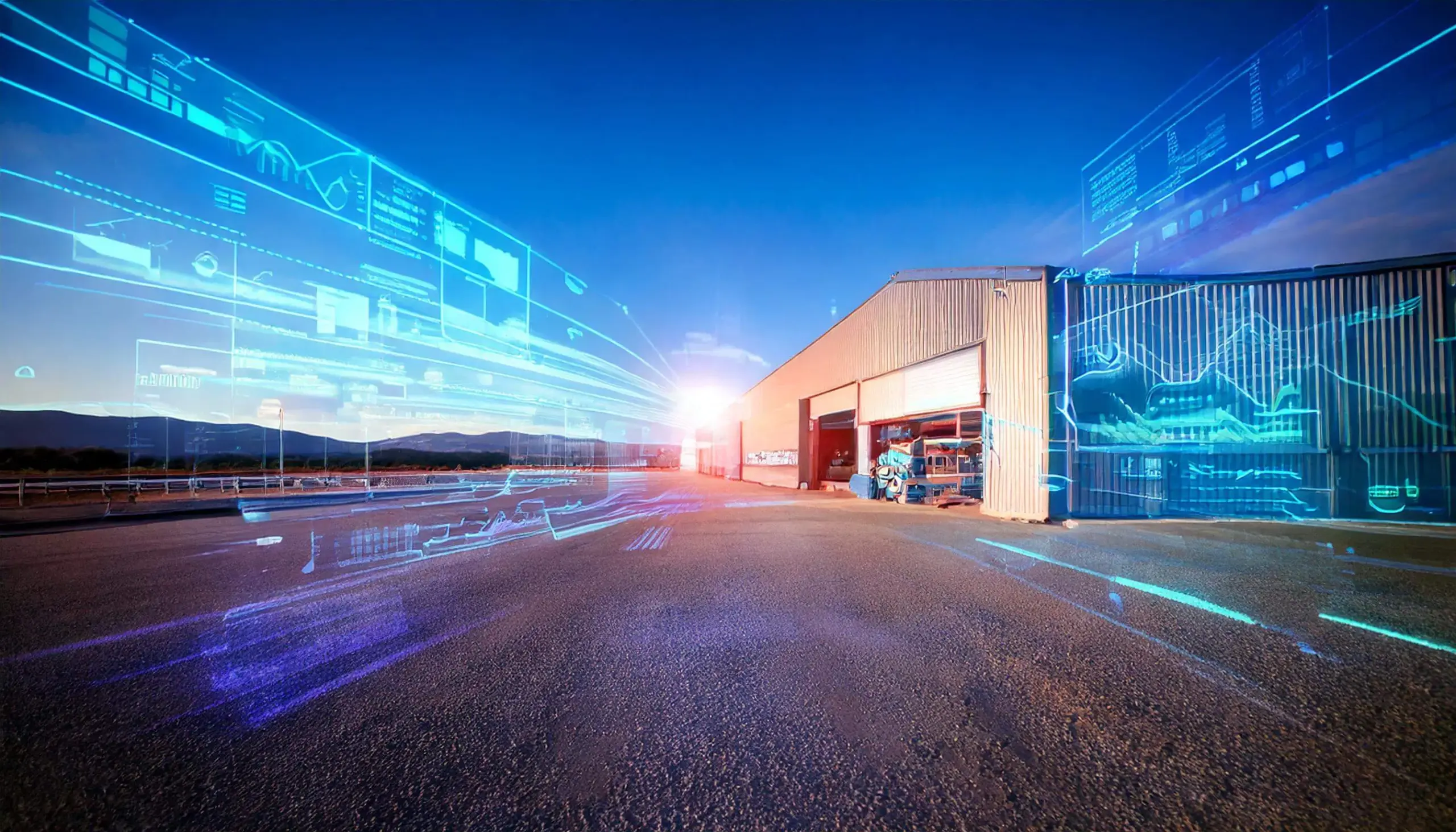
Manufacturing and Supply Chain Systems
Manufacturing apps often rely on proprietary or embedded software, making them difficult to integrate with modern IoT and analytics. AI helps by:
- Connecting cloud services with IoT devices for real-time data processing
- Using predictive models to anticipate supply chain disruptions
- Adopting hybrid architectures to keep critical processes on-premises while migrating non-core systems to the cloud
The result is a more responsive, data-driven manufacturing landscape.
Online Platforms
E-commerce and online platforms face unique challenges: fluctuating demand, compliance with strict standards like PCI DSS, and performance bottlenecks.
AI-assisted migration strategies include:
- Implementing serverless architectures for dynamic scaling during traffic peaks
- Leveraging AI for security audits and compliance checks
- Optimizing back-end queries with AI-driven analytics
These steps ensure that online platforms can remain competitive, secure, and scalable even under heavy demand.
Why AI Makes the Difference
Traditional migration methods are slow and resource-intensive. By contrast, AI tools analyze, document, and refactor code faster, allowing IT teams to focus on strategy rather than repetitive tasks. Combined with expert engineering oversight, AI reduces costs and accelerates transformation.
Conclusion
Whether it’s modernizing a monolith, streamlining supply chain apps, or scaling online platforms, AI provides the intelligence and automation needed to overcome migration roadblocks. Enterprises that embrace AI-driven cloud migration gain not only cost savings but also agility and resilience – critical advantages in today’s fast-paced digital economy.
Next steps
- Book a 30-minute call with our architects
- Follow us on LinkedIn to stay updated with the latest news from mindit.io
- Connect with us to explore partner integrations for your data and AI journey
